

Texas summers are legendary for their intensity—and Austin is no exception. With temperatures routinely climbing above 100°F and heat indices that can make it feel like 110°F or higher, your air conditioning system faces one of the most demanding operating environments in the country. Add in our extended cooling season that often runs from April through October, and it’s clear that proper AC maintenance isn’t just recommended—it’s essential for survival.
At ABA Heating & Cooling, we’ve been helping Austin homeowners prepare for and survive Texas summers since 1994. Over our three decades in business, we’ve learned that proactive maintenance is the key to reliable cooling, lower energy bills, and avoiding costly emergency repairs during the peak of summer when you need your AC most.
Our comprehensive maintenance approach has helped over 65,000 customers throughout the central Texas region keep their systems running efficiently through even the most brutal heat waves. Here’s your complete maintenance checklist to ensure your AC system is ready for whatever Texas summer throws at it.
Pre-Season Preparation (March-April)
Before Austin’s temperatures start their relentless climb, take these crucial steps to prepare your AC system for the months of heavy use ahead.
Professional Tune-Up and Inspection
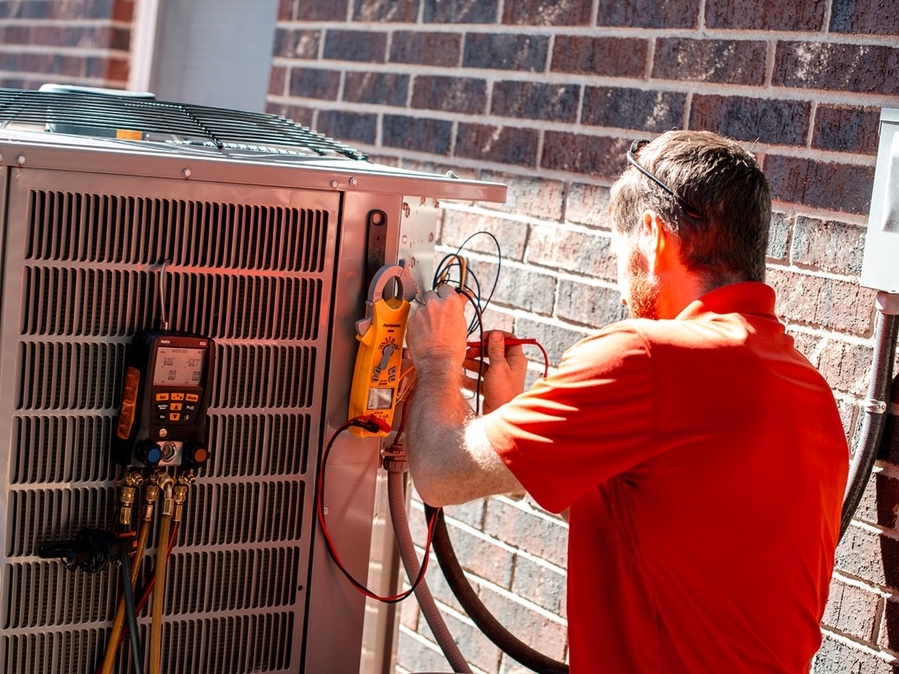
The most important step in your pre-season preparation is scheduling a professional tune-up. At ABA Heating & Cooling, our certified technicians perform comprehensive inspections that include refrigerant level checks, electrical connection testing, and component inspections that homeowners simply can’t perform safely or effectively.
During our tune-ups, we check static pressure to ensure proper airflow, test carbon monoxide levels for safety, and perform quality assurance inspections with photo documentation. This thorough approach helps us identify potential problems before they become expensive failures during peak summer heat.
Filter Replacement and Air Quality Assessment
Start the season with a fresh, high-quality filter appropriate for your system and household needs. In Austin’s environment, we typically recommend pleated filters with MERV ratings between 8-11 for most homes. Higher MERV ratings can provide better air quality but may restrict airflow if your system isn’t designed for them.
Consider upgrading your indoor air quality with additional filtration or purification systems, especially important given Austin’s cedar pollen in late winter/early spring and the dust that accumulates during our dry periods.
Thermostat Calibration and Programming
Verify that your thermostat is reading temperatures accurately by comparing it to a separate thermometer. Even a few degrees of inaccuracy can significantly impact comfort and energy usage during extreme heat.
If you have a programmable or smart thermostat, review your settings for summer operation. During Texas summers, even small adjustments to your programming can result in substantial energy savings without sacrificing comfort.
Monthly Maintenance Tasks (May-September)
During the peak cooling season, monthly attention to your system can prevent problems and maintain efficiency.
Filter Inspection and Replacement
Austin’s climate demands more frequent filter attention than milder regions. Check your filter monthly and replace it when it appears dirty or clogged. During peak pollen season or particularly dusty periods, you may need to change filters more frequently than the manufacturer’s recommendations.
A clogged filter forces your system to work harder, increases energy consumption, and can lead to frozen coils or premature equipment failure—costly problems you definitely want to avoid during a Texas heat wave.
Outdoor Unit Cleaning and Clearance
Your outdoor condenser unit works incredibly hard during Texas summers, rejecting heat from your home into the already-hot outdoor air. Keep it clean and unobstructed for optimal performance.
Clear vegetation and debris: Maintain at least 2 feet of clearance around the entire unit. Austin’s fast-growing vegetation can quickly encroach on your unit, restricting airflow and reducing efficiency.
Clean the condenser coils: Gently spray the outdoor coils with water to remove dirt, pollen, and debris. Avoid using pressure washers, which can damage the delicate fins. If coils are heavily soiled, professional cleaning may be necessary.
Check for damage: Look for bent fins, damaged panels, or signs of refrigerant leaks (oil stains or ice formation). These issues require professional attention.
Ductwork and Vent Inspection
Walk through your home monthly to ensure all vents are open and unobstructed. Closed or blocked vents can cause pressure imbalances that stress your system and create hot spots in your home.
Look for visible ductwork in basements, crawl spaces, or attics and check for obvious damage, disconnections, or excessive dust accumulation around vents, which may indicate duct leaks.
Condensate Drain Maintenance
Austin’s humidity means your AC system removes substantial moisture from indoor air. Check the condensate drain monthly to ensure it’s flowing freely. A clogged drain can cause water damage and create conditions for mold growth.
Pour a cup of white vinegar down the drain monthly to help prevent algae and buildup. If you notice standing water or backup, contact a professional immediately.
Weekly Monitoring During Peak Heat (June-August)
During the most intense heat of summer, weekly attention can help you catch problems early.
Performance Monitoring
Notice how your system performs during the hottest parts of the day. While it’s normal for AC systems to run more during extreme heat, they should still cycle off periodically and maintain your desired indoor temperature.
Monitor your energy usage and indoor comfort levels. Sudden changes in either could indicate developing problems.
Sound and Operation Checks
Listen to your system during operation. New or unusual sounds often indicate problems that will worsen without attention. Austin’s extended high-temperature periods put additional stress on system components, making them more prone to failure.
Check that indoor and outdoor units are operating normally, with proper airflow and no unusual vibrations or movements.
Ice and Moisture Inspection
Ice formation on your indoor or outdoor unit during operation is never normal and indicates serious problems. Similarly, excessive moisture or water around your indoor unit needs immediate attention to prevent water damage and mold growth.
End-of-Season Tasks (October-November)
As temperatures finally start to moderate, prepare your system for the brief respite before next year’s cooling season.
Final Professional Inspection
Consider scheduling a post-season inspection to address any wear and tear from the demanding summer months. This is often a more cost-effective time for non-emergency repairs and system upgrades.
Heating System Preparation
While Austin’s winters are mild compared to other regions, we do occasionally need heating. If you have a heat pump system, ensure it’s ready for heating mode. For homes with separate heating systems, basic preparation helps ensure comfort during our brief cold snaps.
Special Considerations for Austin’s Climate
Cedar Pollen Season
Austin’s notorious cedar pollen season (typically December-February) requires special attention to filtration. Consider upgrading to higher-quality filters during this period and changing them more frequently.
Humidity Control
Texas humidity can make moderate temperatures feel uncomfortable and can contribute to indoor air quality problems. Ensure your system is properly removing humidity, and consider supplemental dehumidification if needed.
Storm Season Preparation
Austin’s spring storms can damage outdoor units with hail or debris. After significant weather events, inspect your outdoor unit for damage and clear any debris that may have accumulated.
The Value of Professional Maintenance
While homeowners can handle many maintenance tasks, professional service provides value that goes beyond basic upkeep. Our certified technicians at ABA Heating & Cooling have the training and equipment to:
- Safely check refrigerant levels and identify leaks
- Test electrical connections and components
- Perform precision adjustments that optimize efficiency
- Identify potential problems before they cause system failures
- Ensure your system meets safety standards
Our maintenance customers receive priority scheduling, which can be invaluable during peak summer when service demand is highest. We also offer maintenance plans that provide regular service, discounts on repairs, and extended warranties for additional peace of mind.
Maintenance Investment vs. Replacement Costs
Regular maintenance is far more cost-effective than major repairs or premature system replacement. In Austin’s demanding climate, a well-maintained system can last 15+ years, while neglected systems may fail in 8-10 years.
The cost of annual professional maintenance is typically a fraction of what you’d spend on a single major repair, and the energy savings from a properly maintained system can offset maintenance costs through lower utility bills.
Since 1994, ABA Heating & Cooling has helped thousands of Austin homeowners maximize their AC system performance and lifespan through proper maintenance. Our customer-first approach means honest recommendations and quality service that keeps your family comfortable through every Texas summer.
Frequently Asked Questions
How often should I schedule professional AC maintenance in Austin?
We recommend annual professional maintenance, ideally in early spring (March-April) before the heavy usage season begins. However, systems over 8 years old or those that work particularly hard may benefit from bi-annual service. Our maintenance plans include regular tune-ups and priority service scheduling.
Can I perform AC maintenance myself, or do I need a professional?
Homeowners can handle basic tasks like filter changes, keeping outdoor units clear, and monitoring system performance. However, tasks involving refrigerant, electrical components, or internal system cleaning require professional expertise and specialized tools. DIY attempts on complex components can be dangerous and may void warranties.
What's the most important maintenance task I can do as a homeowner?
Regular filter changes are the single most important thing homeowners can do. A clean filter ensures proper airflow, improves indoor air quality, and prevents many common AC problems. In Austin’s climate, check filters monthly and replace them when dirty.
How much does professional AC maintenance cost in Austin?
Professional maintenance typically costs $100–200 for a comprehensive tune-up, which is far less than the cost of major repairs or premature replacement. Many companies, including ABA, offer maintenance plans that provide regular service, priority scheduling, and repair discounts for additional value.
What happens if I skip maintenance?
Skipped maintenance leads to reduced efficiency, higher energy bills, more frequent breakdowns, and shorter system lifespan. In Austin’s demanding climate, neglected systems are particularly prone to failure during peak heat when you need them most. The cost of emergency repairs during summer typically far exceeds preventive maintenance costs.
Should I clean my outdoor AC unit myself?
Basic cleaning like removing debris and gently hosing off the coils is generally safe for homeowners. However, avoid using pressure washers or harsh chemicals, and don’t attempt to straighten bent fins yourself. If coils are heavily soiled or you’re uncomfortable performing the cleaning, professional service is recommended.
How can I tell if my AC maintenance is making a difference?
Signs of effective maintenance include consistent indoor temperatures, lower energy bills, fewer repair needs, better indoor air quality, and quieter system operation. You should also notice that your system cycles properly rather than running constantly, even during hot weather.