

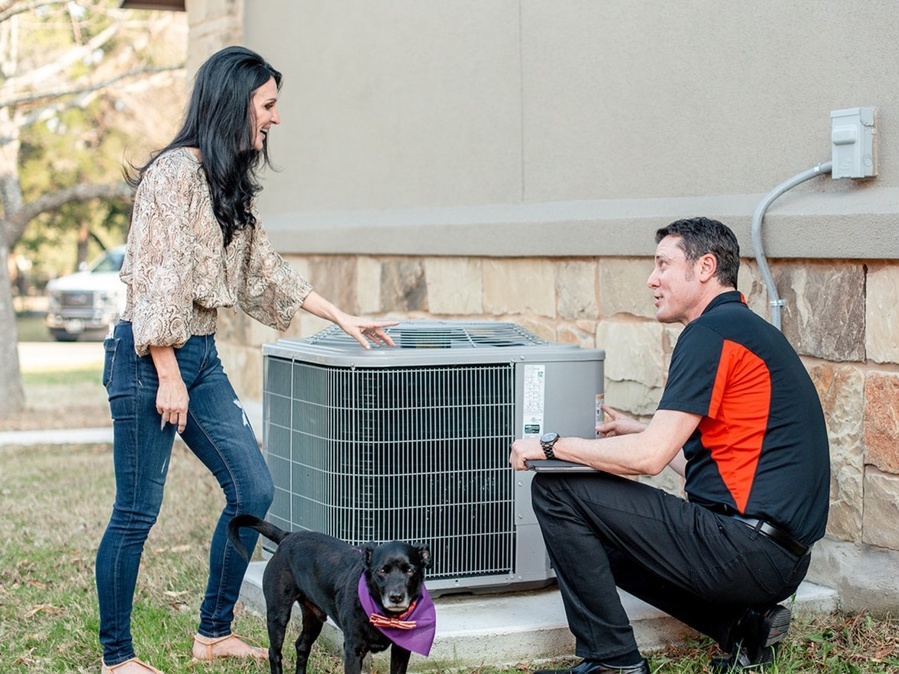
Austin’s relentless summer heat puts extraordinary demands on air conditioning systems, creating a unique set of challenges that homeowners need to understand. With temperatures regularly exceeding 100°F from June through August and cooling seasons that stretch from April through October, AC systems in Austin work harder and longer than almost anywhere else in the country.
At ABA Heating & Cooling, we’ve been diagnosing and repairing Austin AC problems since 1994. Over three decades of service calls throughout central Texas—from Lakeway to Georgetown, Cedar Park to Round Rock—we’ve identified the most common issues that plague Austin homes and learned the most effective solutions for our challenging climate.
Understanding these common problems can help you recognize warning signs early, potentially saving hundreds of dollars in emergency repairs and avoiding uncomfortable days waiting for service during peak summer heat. More importantly, knowing what causes these issues can help you prevent many of them through proper maintenance and smart system operation.
Here are the most frequent AC problems we encounter in Austin homes, why they occur, and what you can do about them.
Refrigerant Leaks: Austin’s Most Costly AC Problem
Refrigerant leaks are among the most serious and expensive problems we encounter in Austin homes, and our climate makes them particularly common and problematic.
Why Refrigerant Leaks Are Common in Austin
Extreme Temperature Cycling: Austin’s dramatic temperature swings—from 40°F winter nights to 105°F summer days—cause constant expansion and contraction of refrigerant lines. This cycling stresses joints, connections, and the copper tubing itself, eventually leading to small leaks.
Corrosion from Humidity: Our humid summers accelerate corrosion of copper refrigerant lines and connections, particularly around outdoor units where condensation is constant.
Extended Operating Seasons: Austin AC systems run 6-7 months per year under heavy load, compared to 3-4 months in milder climates. This extended operation puts more stress on all system components, including refrigerant circuits.
Signs of Refrigerant Leaks
- AC running constantly but not cooling effectively
- Ice formation on indoor evaporator coils
- Hissing sounds from refrigerant lines
- Significantly higher energy bills without increased usage
- Oil stains around outdoor unit connections
Solutions and Prevention
Small leaks can sometimes be repaired, but extensive leaks often indicate aging system components that may require replacement. For systems using R-22 refrigerant (common in pre-2010 systems), refrigerant costs have become so expensive that replacement often makes more economic sense than repair.
Prevention includes annual professional maintenance to check refrigerant levels and inspect connections, as well as protecting outdoor lines from physical damage.
Dirty or Clogged Air Filters: The Simple Problem with Big Consequences
Clogged air filters are the most common cause of AC problems we encounter, yet they’re completely preventable with regular attention.
Why Austin Homes Need Frequent Filter Changes
Cedar Pollen Season: Austin’s notorious cedar pollen season (December-February) can clog filters incredibly quickly. During peak pollen days, filters can become substantially blocked in just days rather than weeks.
Construction Dust: Austin’s rapid growth means ongoing construction throughout the metro area, increasing dust levels that affect home air filters.
Extended Cooling Season: With AC systems running most of the year, filters accumulate debris faster than in climates with shorter cooling seasons.
Problems Caused by Dirty Filters
- Reduced airflow leading to inadequate cooling
- Frozen evaporator coils from restricted airflow
- Increased energy consumption and higher bills
- Premature wear on blower motors and other components
- Poor indoor air quality affecting family health
Solutions and Prevention
Check filters monthly and replace when dirty—typically every 1-2 months during peak usage periods. During cedar season, inspect filters weekly and replace as needed. Choose quality pleated filters with MERV ratings of 8-11 for most Austin homes.
Consider upgrading to higher-efficiency filters if family members have allergies, but ensure your system can handle the increased airflow resistance.
Frozen Evaporator Coils: A Cool Problem That Stops Cooling
Frozen coils are particularly problematic in Austin because they often occur during the hottest weather when you need AC most. Despite being covered in ice, frozen coils actually prevent your system from cooling your home.
Common Causes in Austin Homes
Restricted Airflow: Usually from dirty filters, closed vents, or ductwork problems. When airflow is reduced, evaporator coils become too cold and ice forms.
Low Refrigerant Levels: Refrigerant leaks cause improper system pressures, leading to coil temperatures below freezing.
Dirty Evaporator Coils: Austin’s dust and pollen can coat evaporator coils, insulating them and preventing proper heat transfer.
Blower Motor Problems: Failing blower motors or damaged fan belts reduce airflow over evaporator coils, causing freezing.
Immediate Actions
If you discover frozen coils, turn off your AC system immediately and switch the thermostat to “fan only” to help thaw the ice. Never attempt to chip or melt ice mechanically, as this can damage delicate coil fins.
Allow complete thawing before restarting the system, and address the underlying cause before resuming normal operation.
Professional Solutions
Our technicians diagnose the root cause of coil freezing, whether it’s airflow restriction, refrigerant issues, or component failures. Solutions range from simple filter changes to refrigerant leak repairs or blower motor replacement.
Electrical Problems: Dangerous and Disruptive
Austin’s intense heat and frequent summer storms create conditions that commonly lead to AC electrical problems, which can be both dangerous and expensive if not addressed properly.
Common Electrical Issues
Contactor Failures: The electrical contacts that control compressor and fan operation can arc and burn due to the heavy electrical loads required during peak cooling periods. Austin’s extended high-heat season accelerates this wear.
Capacitor Problems: Start and run capacitors help motors operate efficiently. High temperatures and frequent cycling common in Austin can cause premature capacitor failure, leading to motors that won’t start or run inefficiently.
Circuit Breaker Tripping: Overloaded electrical circuits, dirty condenser coils causing motors to work harder, or failing components can cause circuit breakers to trip repeatedly.
Thermostat Malfunctions: Heat, humidity, and electrical fluctuations can damage thermostats, leading to erratic system operation or complete failure to control the AC system.
Warning Signs
- AC unit won’t start despite thermostat settings
- Circuit breakers tripping repeatedly
- Burning smells from electrical panels or AC units
- Intermittent operation or short cycling
- Thermostat display problems or erratic behavior
Why Professional Service Is Essential
Electrical problems require professional diagnosis and repair due to safety concerns and the complexity of HVAC electrical systems. At ABA, our EPA 608 certified technicians have the training and equipment to safely diagnose and repair electrical issues.
Attempting DIY electrical repairs on AC systems can result in personal injury, equipment damage, or fire hazards. Always call professionals for electrical problems.
Ductwork Issues: Hidden Problems with Big Impact
Austin’s diverse housing stock—from 1950s ranch homes to modern energy-efficient construction—presents unique ductwork challenges that can significantly impact AC performance.
Common Austin Ductwork Problems
Poor Original Installation: Many Austin homes built during rapid growth periods may have ductwork that was installed quickly without optimal design for efficiency or comfort.
Disconnected or Damaged Ducts: Ductwork in attics, crawl spaces, or between floors can become disconnected due to settling, rodent damage, or simple wear over time.
Inadequate Insulation: Ductwork running through unconditioned spaces like attics needs proper insulation to prevent energy loss and condensation problems—particularly important in Austin’s climate extremes.
Leaky Duct Sealing: Poor sealing at joints and connections allows conditioned air to escape and unconditioned air to enter the system, reducing efficiency and comfort.
Signs of Ductwork Problems
- Uneven cooling throughout the home
- Excessive dust accumulation
- High energy bills despite efficient equipment
- Rooms that never reach thermostat settings
- Whistling or rattling sounds from vents
Professional Solutions
At ABA, we’re certified in NCI duct system optimization, allowing us to properly evaluate and improve ductwork performance. Solutions may include sealing leaks, improving insulation, redesigning sections for better airflow, or adding return air ducts for better system balance.
Proper ductwork is crucial for both efficiency and comfort—even the best AC equipment can’t perform well with poor duct systems.
Drainage Problems: Austin’s Humidity Challenge
Austin’s high humidity means AC systems remove substantial amounts of water from indoor air—sometimes 20+ gallons per day during peak summer. This creates drainage challenges that can lead to serious problems if not properly maintained.
Common Drainage Issues
Clogged Condensate Drains: Algae, dirt, and debris can block condensate drains, causing water to back up and overflow. This is particularly common in Austin’s humid climate.
Damaged Drain Pans: Cracked or rusted drain pans under indoor air handlers can leak water, potentially causing damage to floors, ceilings, or walls.
Improper Drain Slope: Condensate drains must slope properly to flow by gravity. Poor installation or settling can create low spots where water accumulates and drainage slows.
Prevention and Solutions
Monthly condensate drain maintenance with white vinegar helps prevent algae growth. Professional maintenance includes checking drain pan condition and ensuring proper drainage flow.
At ABA, our maintenance includes condensate system inspection and cleaning to prevent water damage and maintain proper humidity removal.
Compressor Problems: The Heart of Cooling
The compressor is essentially the heart of your AC system, and Austin’s demanding climate puts extraordinary stress on these vital components.
Why Compressors Fail in Austin
Overheating from Extreme Temperatures: Compressors work harder when rejecting heat into 105°F outdoor air compared to milder climates.
Extended Operating Hours: Austin compressors run 2-3 times longer per year than those in milder climates, accelerating wear.
Electrical Stress: Frequent cycling and high electrical loads during peak demand periods stress compressor motors and electrical components.
Poor Maintenance: Dirty condenser coils force compressors to work harder, while refrigerant issues can cause compressor damage.
Signs of Compressor Problems
- AC runs but produces no cold air
- Hard starting or short cycling
- Unusual noises from outdoor unit
- Circuit breakers tripping when AC starts
- Significantly higher energy bills
Repair vs. Replacement Decisions
Compressor replacement is expensive—often 50-60% of a new system cost. For systems over 8-10 years old, replacement often makes more economic sense than compressor repair, especially considering Austin’s demanding climate and the likelihood of other component failures.
Prevention: Your Best Defense Against AC Problems
Regular Professional Maintenance
Annual professional maintenance is the most effective way to prevent major AC problems. At ABA, our comprehensive maintenance includes:
- Refrigerant level checks and leak detection
- Electrical connection testing and component inspection
- Condenser and evaporator coil cleaning
- Condensate drainage inspection and cleaning
- Static pressure testing for proper airflow
- Filter inspection and replacement recommendations
Homeowner Maintenance Tasks
- Check and replace filters monthly during cooling season
- Keep outdoor units clear of vegetation and debris
- Monitor system performance and energy usage
- Address small problems before they become major issues
Smart Operation Practices
- Use programmable thermostats to reduce system stress
- Maintain consistent temperatures rather than dramatic adjustments
- Ensure adequate airflow by keeping vents open and unobstructed
- Address humidity problems promptly to prevent secondary issues
When to Call ABA Heating & Cooling
While some maintenance can be handled by homeowners, most AC problems require professional diagnosis and repair. Our team has the training, tools, and experience to quickly identify problems and provide lasting solutions.
We offer same-day service for platinum plan customers and service within 24 hours for all others. Our diagnostic approach is thorough, and our pricing is transparent—you’ll understand exactly what’s wrong and what it will cost to fix.
With 30 years of experience serving Austin’s unique climate challenges, ABA Heating & Cooling has the expertise to keep your family comfortable through whatever Texas summer brings.
Frequently Asked Questions
Why do AC problems seem worse in Austin than other places?
Austin’s climate creates a perfect storm of challenges: extreme heat, high humidity, extended cooling seasons, frequent storms, and dramatic temperature swings. These conditions put more stress on AC systems than milder climates, leading to more frequent and severe problems.
How can I tell if my AC problem is serious or something I can wait to fix?
Immediate attention is needed for: no cooling at all, electrical issues, burning smells, water leaks, or unusual sounds like grinding. Gradual changes in performance, minor temperature inconsistencies, or slowly increasing energy bills can typically wait for regular business hours.
Why does my AC keep having the same problem even after repairs?
Recurring problems often indicate an underlying issue wasn’t addressed, such as ductwork problems causing repeated coil freezing, or electrical issues causing component failures. Professional diagnosis should identify root causes, not just symptoms.
Should I repair or replace an older AC system that keeps having problems?
If repair costs exceed 50% of replacement cost, or if you’re having multiple repairs per year, replacement often makes more sense. Systems over 12 years old with major problems are typically better candidates for replacement, especially in Austin’s demanding climate.
Can I prevent AC problems with regular maintenance?
Yes, regular maintenance prevents most common problems and catches developing issues before they become expensive failures. Annual professional maintenance, combined with regular filter changes and basic homeowner care, can extend system life and reduce repair needs significantly.
Why are my energy bills high even though my AC seems to be working?
High energy bills with apparently normal operation often indicate efficiency problems like dirty coils, ductwork leaks, refrigerant issues, or aging equipment. These problems make your system work harder to achieve the same cooling, increasing energy consumption.
When should I call for emergency AC service?
Emergency service is warranted when you have no cooling during extreme heat (especially with elderly family members or health conditions), electrical problems with burning smells, or significant water leaks causing property damage. Most other issues can wait for regular business hours.